
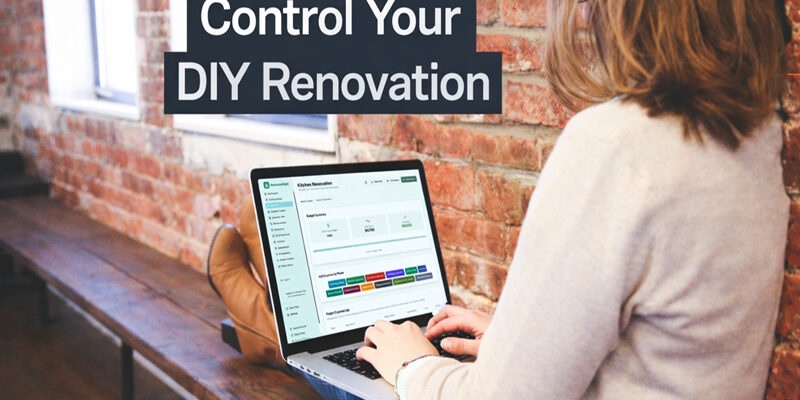

Like most diy home renovators you probably don’t want to run your renovation, but they do want to control your diy renovation.
- Not anxious.
- Not reactive.
- Not constantly second-guessing decisions.

The good news is that staying in control during a renovation doesn’t require daily supervision or technical expertise. It requires clarity, structure, and the right kind of involvement.
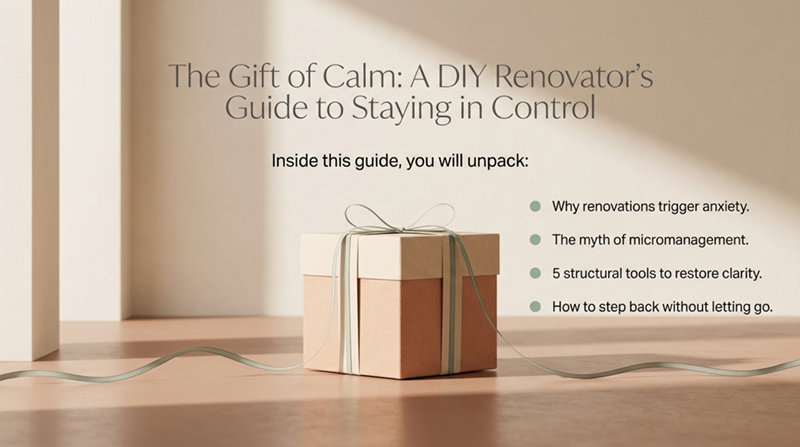
Let’s Unwrap Why Renovations Feel Out of Control
Renovations feel stressful when:
- Decisions arrive without warning
- Costs change unexpectedly
- Timelines slip without explanation
- Communication feels fragmented
What people experience as “loss of control” is usually loss of visibility.
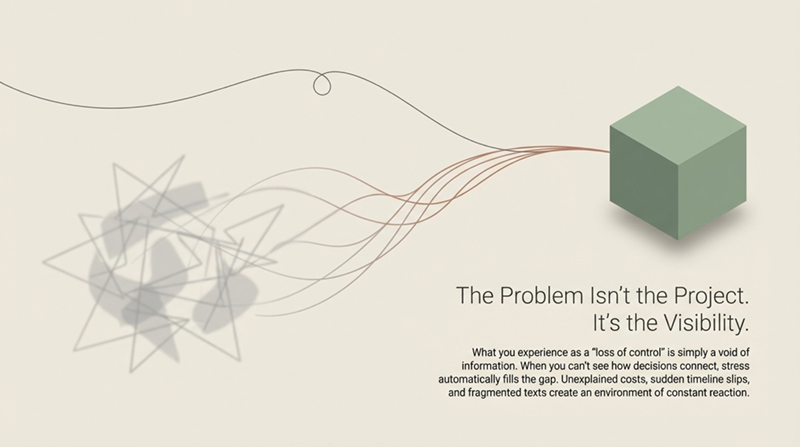
When you can’t see how decisions connect, stress fills the gap.
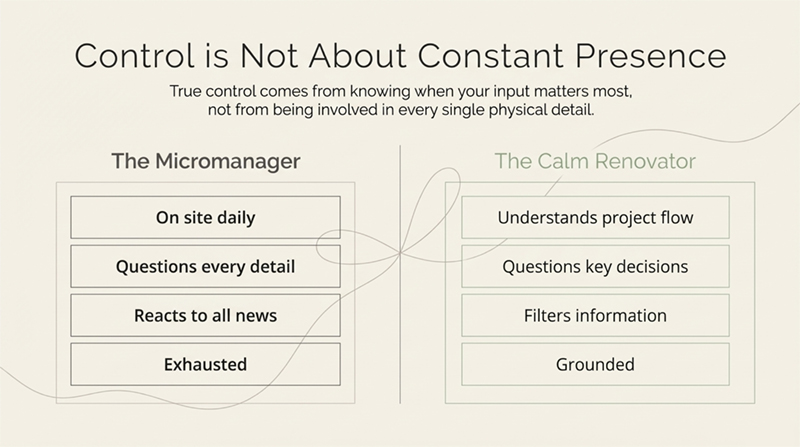
Control Doesn’t Mean Micromanagement
Many homeowners assume control means:
- Constant checking
- Being on-site all the time
- Questioning every detail
In practice, this often increases tension, and doesn’t prevent mistakes.
True control comes from knowing when your input matters most, not from being involved in everything.
The Real Drivers of Renovation Stress
Daily stress during renovations usually comes from three things:
- Decisions made under pressure
- Surprises that feel unexplained
- Uncertainty about what’s coming next
None of these require technical knowledge to manage.
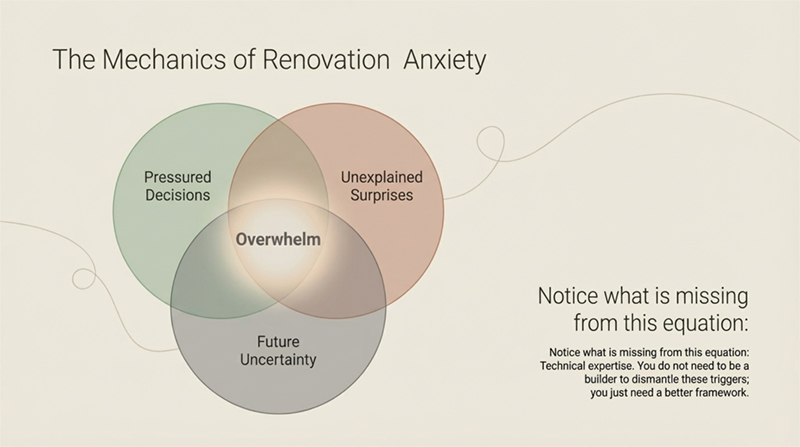
They require structure.
How to Stay in Control Without Daily Stress
Here’s what actually helps homeowners feel grounded throughout a renovation.
1. Understand the Flow of the Project
You don’t need a detailed schedule, you need orientation.
Know:
- What stage the renovation is in
- What decisions are coming next
- What has already been locked in
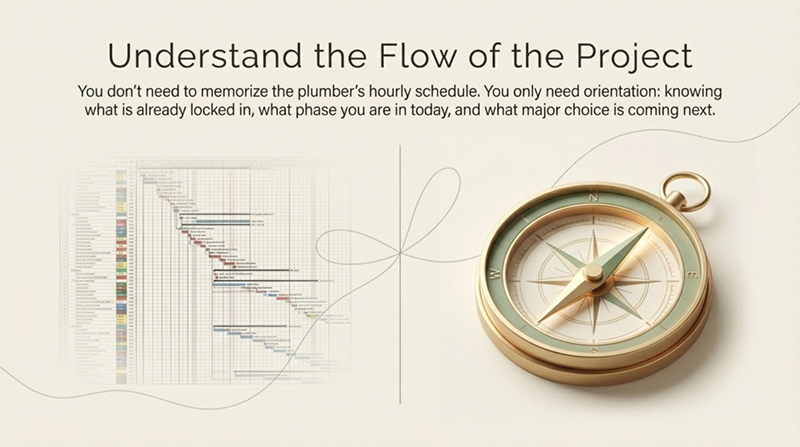
When you understand the flow, fewer things feel urgent.
2. Make Fewer Decisions, More Deliberately
Decision fatigue is a major source of stress.
Instead of reacting to every choice:
- Group decisions where possible
- Decide key items earlier
- Leave flexible items open intentionally
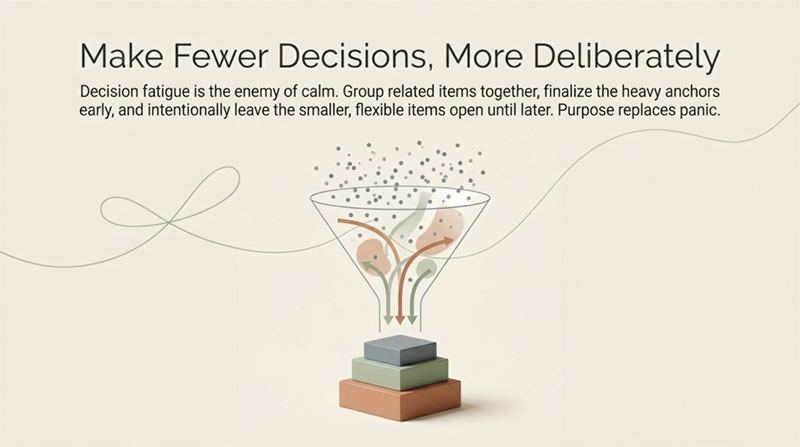
This keeps decision-making purposeful, not constant.
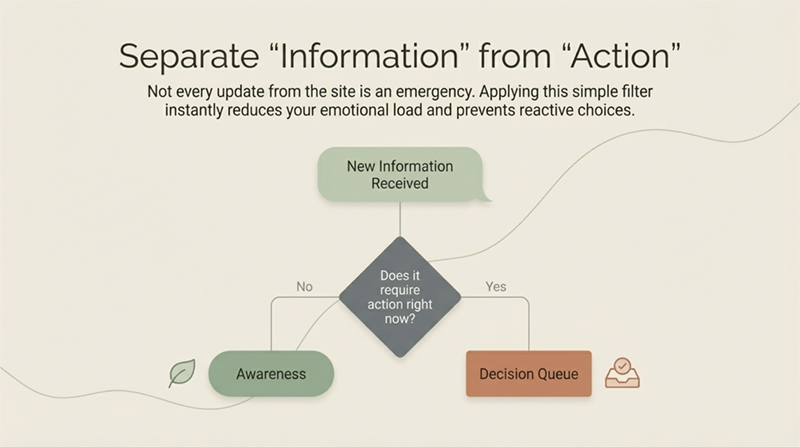
3. Separate “Information” From “Action”
Not every update requires a response.
When you hear new information, ask:
- Is this for awareness?
- Or does it require a decision right now?
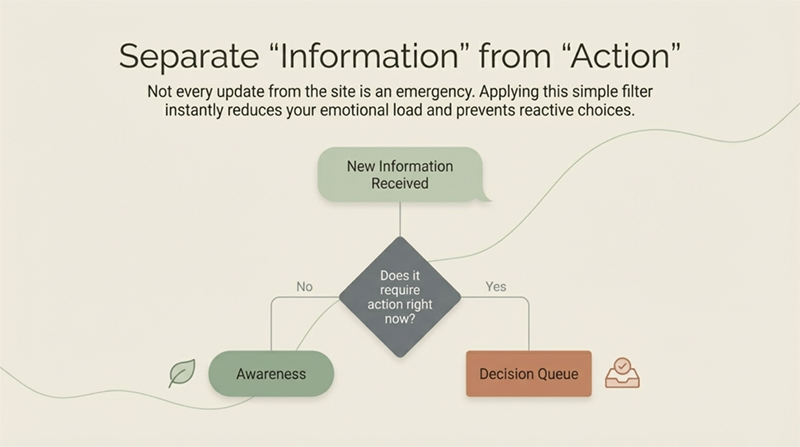
This simple filter reduces emotional load and reactive choices.
4. Expect Change — But Not Chaos
Every renovation changes as it unfolds.
The difference between calm and stress is whether change feels:
- Expected
- Explained
- Contained
When you expect some movement, it doesn’t feel like failure.
5. Track Decisions, Not Just Progress
Most homeowners track what’s happening on site.
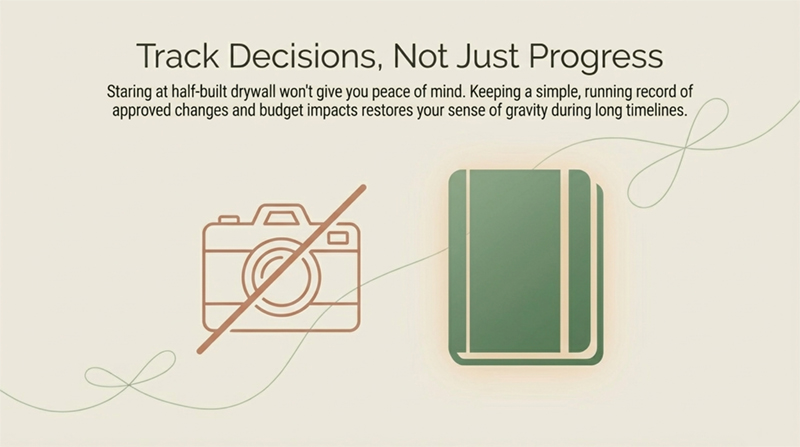
Fewer track what’s been decided.
Keeping a simple record of:
- Key decisions
- Approved changes
- Budget impacts
Restores a sense of control, especially during longer projects.
Why First-Time Homeowners Feel Stress More Intensely
First-time home renovation projects often feel harder because:
- There’s no baseline for what’s “normal.”
- Everything feels permanent
- Uncertainty feels personal
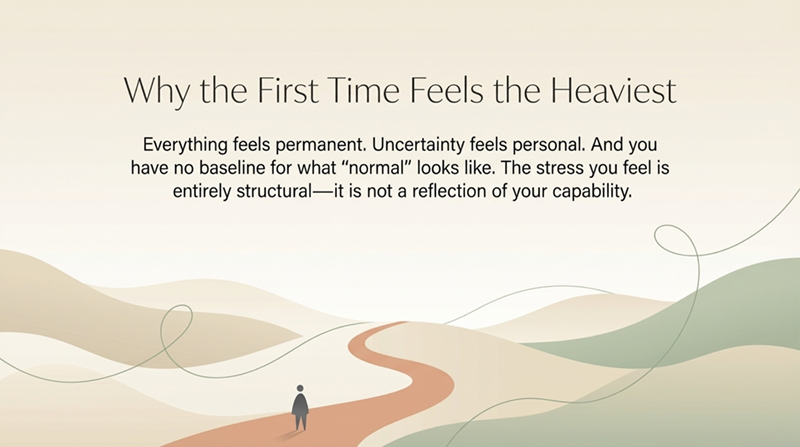
Understanding that stress is structural, not personal, is hugely reassuring.
What “In Control” Actually Feels Like
Homeowners who feel in control during a renovation usually describe it this way:
- “I know what’s coming next.”
- “Changes make sense when they happen.”
- “I’m not constantly on edge.”
That feeling doesn’t come from perfect execution.
It comes from clarity.
If You’re Already Feeling Overwhelmed
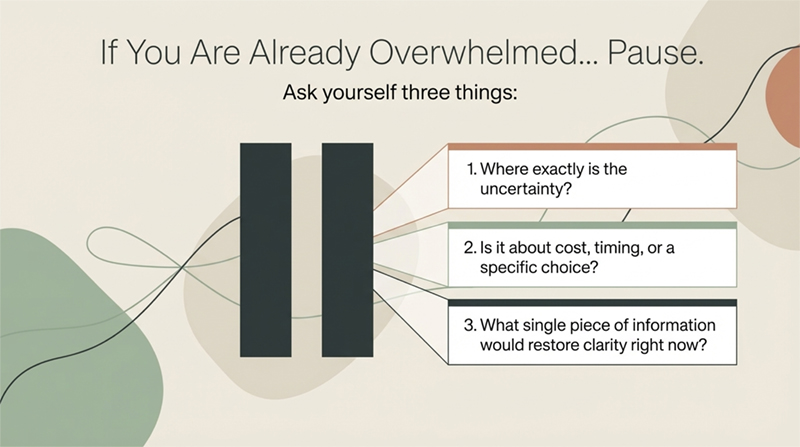
If your renovation is underway and stress is creeping in, pause.
Ask:
- Where am I feeling uncertain?
- Is it about cost, timing, or decisions?
- What information would restore clarity right now?
Even small moments of structure can bring relief.
Renovation Control Is Built Early — But Reinforced Daily
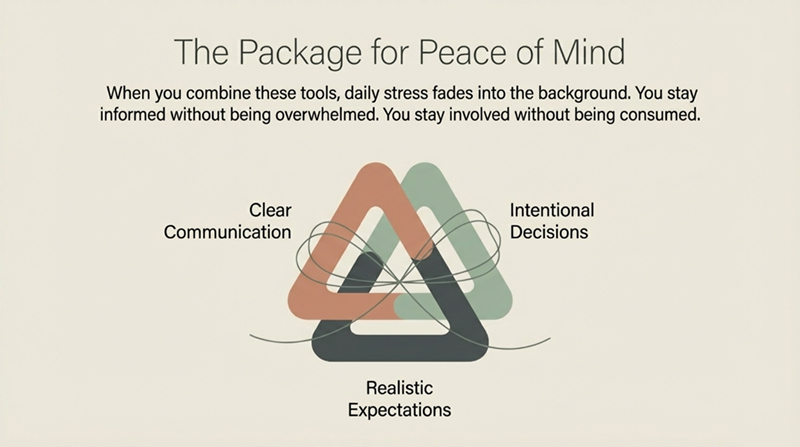
Staying in control during a renovation starts with good planning—but it’s maintained through:
- Clear communication
- Intentional decision-making
- Realistic expectations
When these are in place, daily stress fades into the background.
Renovations Don’t Need to Consume Your Life
A renovation is a temporary phase.
It shouldn’t dominate your thoughts or drain your energy every day.
With the right structure:
- You stay informed without being overwhelmed
- You stay involved without being consumed
- You stay in control without constant effort
A Quiet Final Thought
Over the years, we’ve observed homeowners who stay calm during renovations aren’t the most knowledgeable, they’re the most clear.
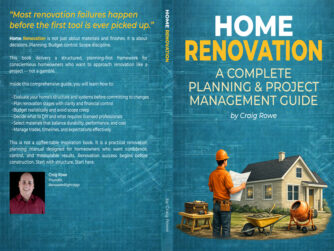
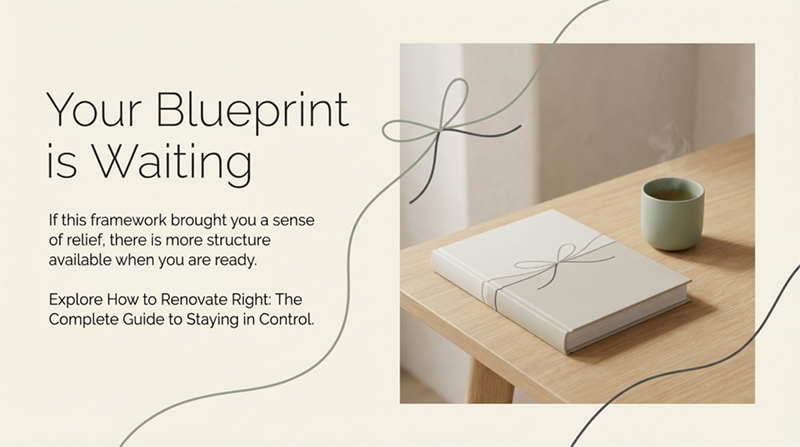
That clarity around decisions, timing, and expectations, eventually shaped our book titled, Home Renovation, the perfect companion for first-time DIY home renovators to help you understand the anatomy and maintenance of your property.
If this content has helped you view DIY renovation differently, then there’s more shared here on our site when you’re ready.
Don’t forget Applaudable Media Tech has developed a web-application called renovateright.app to help you better manage your home maintenance and renovations across your properties entire lifetime.